Welcome to Huayu Larbor Products Co.,LTD

Toggle Navigation

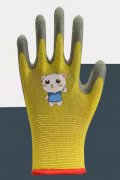
In order to ensure the health and safety of children in Garden Kindergarten, it is very important to use gloves. This article is intended to guide kindergarten teachers and staff to follow correct norms and management measures when using gloves. Sele... ...More>>
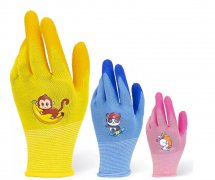
Every child is a natural explorer! When they dig, plant flowers and observe insects in the garden, a pair of protective gloves designed for children can not only protect their tender hands, but also allow parents to let go with peace of mind and let... ...More>>
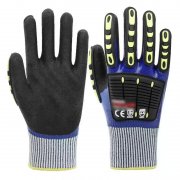
Features of shockproof and impact-resistant gloves Shockproof and impact-resistant gloves are made of high-elastic material and have the following characteristics: Firstly, it` s shockproof. Impact-resistant gloves are filled with high-elastic foam,... ...More>>
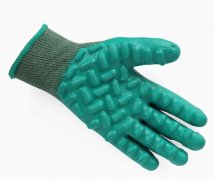
The role of shock resistant gloves Shock resistant glove is a kind of labor protection products specially designed for workers who need to work for a long time. Their main function is to reduce the damage caused by vibration to the hands. Hand vibrat... ...More>>
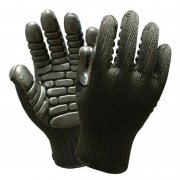
Shock proof gloves are products that absorb vibration and protect hands from vibration damage by adding materials such as foam plastics, latex, synthetic rubber or foam rubber sheets to the palm of yarn gloves and dipped gloves. These materials can e... ...More>>
Choosing good quality leather work gloves is a task that requires carefulness and expertise. Here are some key steps and precautions to help you choose a satisfactory product: Material selection: Genuine leather and artificial leather. Genuine leathe... ...More>>